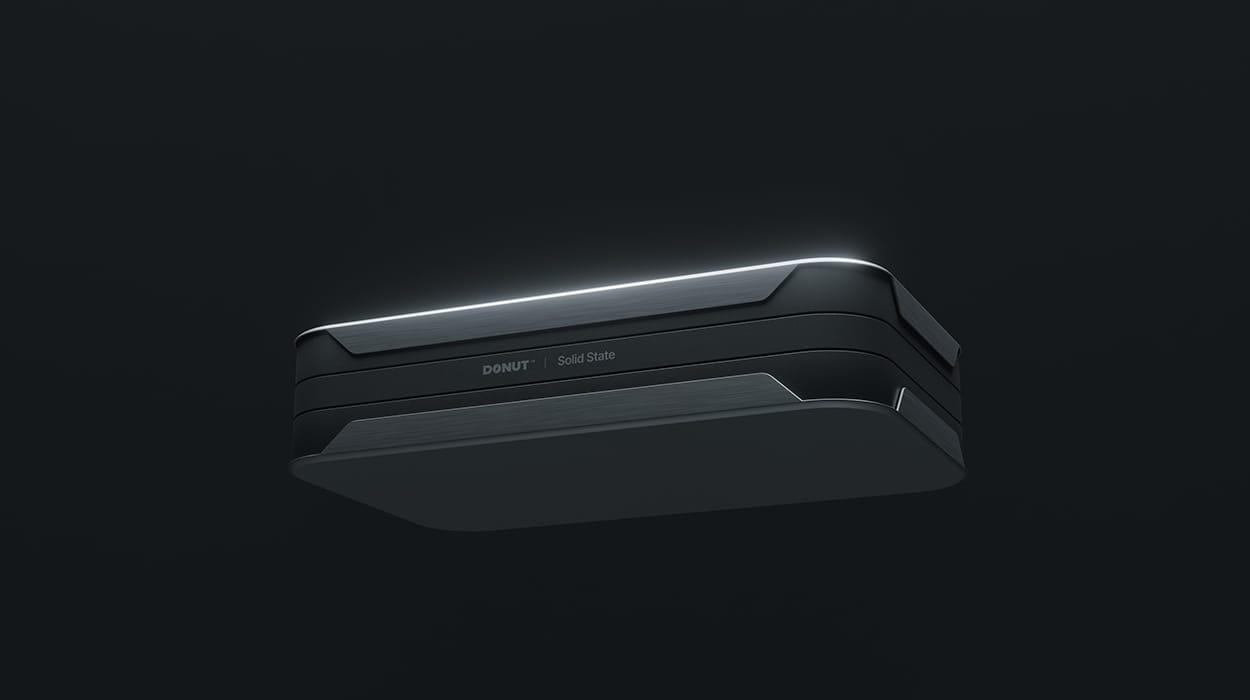
Donut Lab has developed the first in production Solid State Battery
What is Solid State Battery technology from Wikipedia and other sources AI generated.
Solid‑state batteries replace the flammable liquid electrolyte found in today’s lithium‑ion batteries with a solid material, making them safer, more energy‑dense, and potentially longer‑lasting. They’re considered one of the most important next‑generation battery technologies, especially for electric vehicles and high‑performance electronics.
Below is a clear, structured explanation grounded in the information from your search results.
🔋 What Is Solid‑State Battery Technology?
A solid‑state battery (SSB) uses a solid electrolyte instead of the liquid or gel electrolyte found in conventional lithium‑ion batteries.
The solid electrolyte can be made from ceramics, sulfides, oxides, phosphates, or solid polymers.
How it works
• Like all rechargeable batteries, SSBs have:
• Cathode (positive electrode)
• Anode (negative electrode)
• Electrolyte (ion‑conducting medium)
• In SSBs, lithium ions move through a solid material rather than a liquid, which eliminates the need for a separator.
⚡ Why Solid‑State Batteries Matter
- Higher Energy Density
Solid electrolytes allow the use of pure lithium metal anodes, which store far more energy than graphite anodes used today.
This means:
• Longer EV driving range
• Smaller, lighter batteries
• Higher performance electronics
Thin‑film solid‑state batteries can reach 300–900 Wh/kg, much higher than typical lithium‑ion cells. - Much Safer
Liquid electrolytes are flammable and can cause thermal runaway.
Solid electrolytes are non‑flammable, reducing fire risk dramatically. - Longer Lifespan
Solid‑state batteries can reach 10,000–100,000 charge cycles in some designs.
They also resist:
• Dendrite formation (a major cause of battery failure)
• Degradation at high temperatures - Faster Charging
Solid electrolytes can tolerate higher voltages and temperatures, enabling faster charging rates than liquid‑based lithium‑ion batteries.
🧪 What Are Solid Electrolytes Made Of?
Common materials include:
• Ceramics (e.g., oxides, sulfides, phosphates)
• Solid polymers
• Composite materials
Each has trade‑offs:
• Ceramics → high conductivity, brittle
• Polymers → flexible, lower conductivity
• Sulfides → high performance, sensitive to moisture
🚗 Where Solid‑State Batteries Are Used Today
Although still emerging, SSBs are already used in:
• Pacemakers
• Wearable devices
• RFID tags
Automotive‑scale SSBs are in development by Toyota, QuantumScape, Samsung, and others.
🧱 Challenges Holding Back Mass Adoption
Despite their advantages, several issues remain:
• Manufacturing cost is very high
• Scaling to large EV‑sized cells is difficult
• Solid electrolytes can be brittle
• Interface stability between solid layers is still a challenge
• Power density (how fast they can deliver energy) is not yet optimal
🧭 Summary Table
If you want, I can also explain:
• How solid‑state compares to lithium‑sulfur or sodium‑ion
• When EVs are expected to adopt SSBs
• A simple analogy (e.g., “solid‑state is like replacing water pipes with ceramic channels”)
Donut Lab just developed a Solid State battery that is ready for mass adoption and like their in hub motor changes the game in many many ways. It will potentially allow you over 1000 kilometers of range and over 1200Kwh charging speed. Imagine going out to dinner and have your car charged to over 700 miles of range.
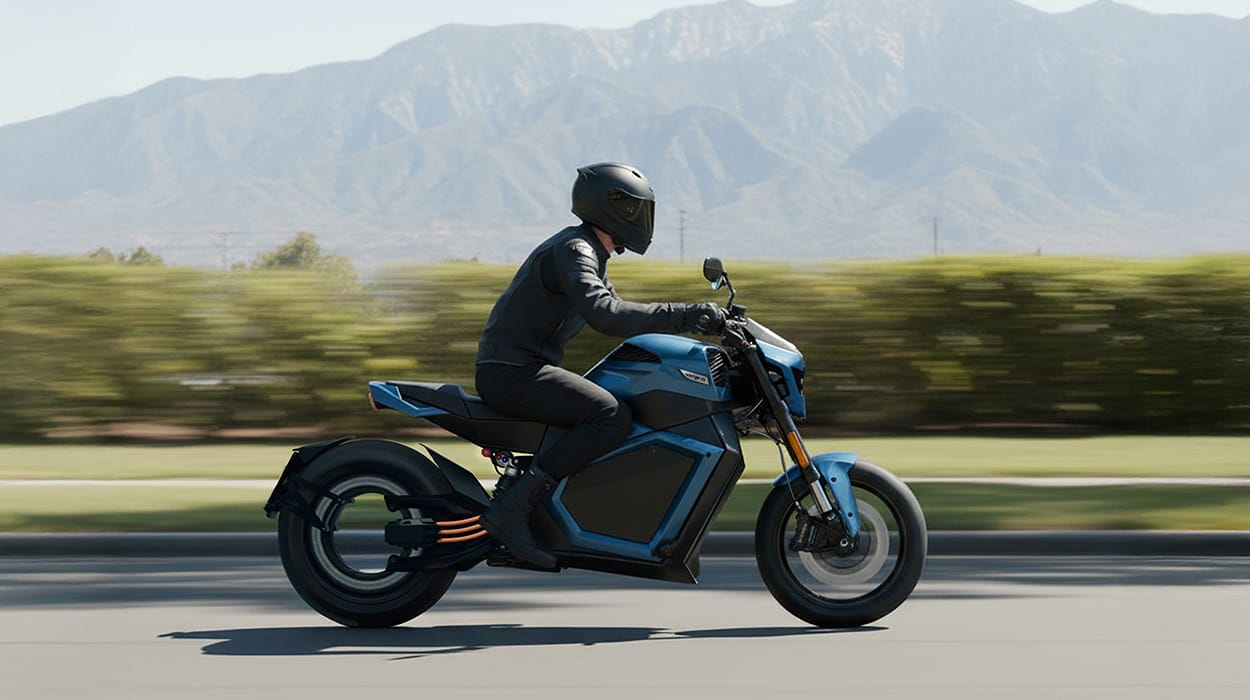
Verge Motorcycles and Donut Lab have announced that a solid-state battery will be the centerpiece of the new TS PRO electric motorcycle, expected in the first quarter of 2026.
The Verge TS Pro will herald the beginning of a new era in EVs when it hits the road with a solid-state battery available to the public. It's a huge win for the company and an impressive accomplishment for Donut Lab. More importantly, it's the beginning of a move to solid-state batteries that will transform not just EVs but other battery-storage industries.
Quicker, Powerful, and… the Same Price?
The promise of a solid-state battery has been a few years away for about two decades. A technology that essentially introduces parity between gas-powered and electricity-powered vehicles. Solid-state has more energy density and is therefore lighter, which means more range from a battery with the same kWh because the vehicle has less weight to drag around. It charges far quicker – on par with filling up a gas vehicle at the pump – and is less likely to catch fire than lithium-ion batteries.
Just so people understand how good Finish engineers look at Linus Torvalds his operating system has been put into application in Android OS, In pretty much every robot including Boston Dynamics and powering over 80 percent of the AI and website hosting, You have to realize this company Finish background has significant history.
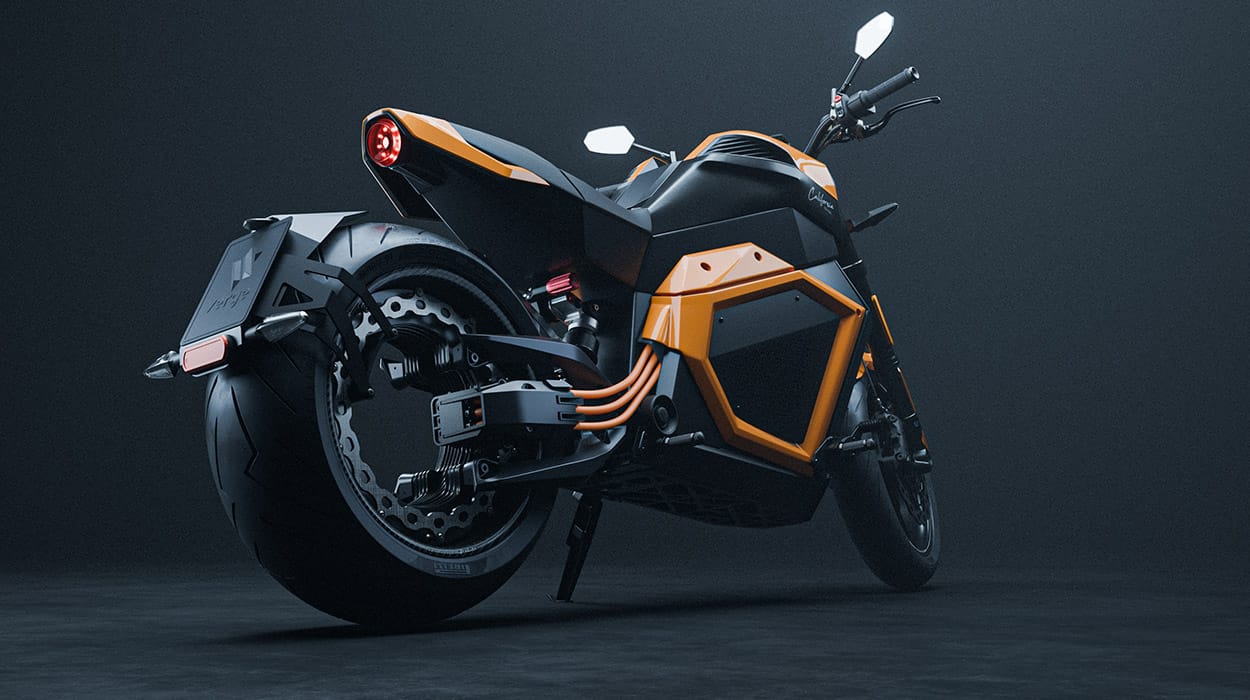
I hope that if these bikes reach production they put a cover over those orange wires is the only thing I find at issue.
